Discover a Accounting Software Bookkeeper for Bank Reconciliation
Excelling at Accounting Software Bookkeeping: Vital Tips for Small Business Success
Mastering Accounting Software financial management is essential for small business owners seeking financial precision. This powerful tool optimizes numerous elements of financial management. From simplifying invoices to recording costs, Accounting Software can enhance operational efficiency. However, numerous small business owners overlook key methods that might fully unlock its potential. Grasping these details can set a business apart. What are the critical steps to secure maximum benefit from Accounting Software? The guidance below will illuminate the path to sound business accounting.
Why Accounting Software Is a Must-Have for Small Businesses
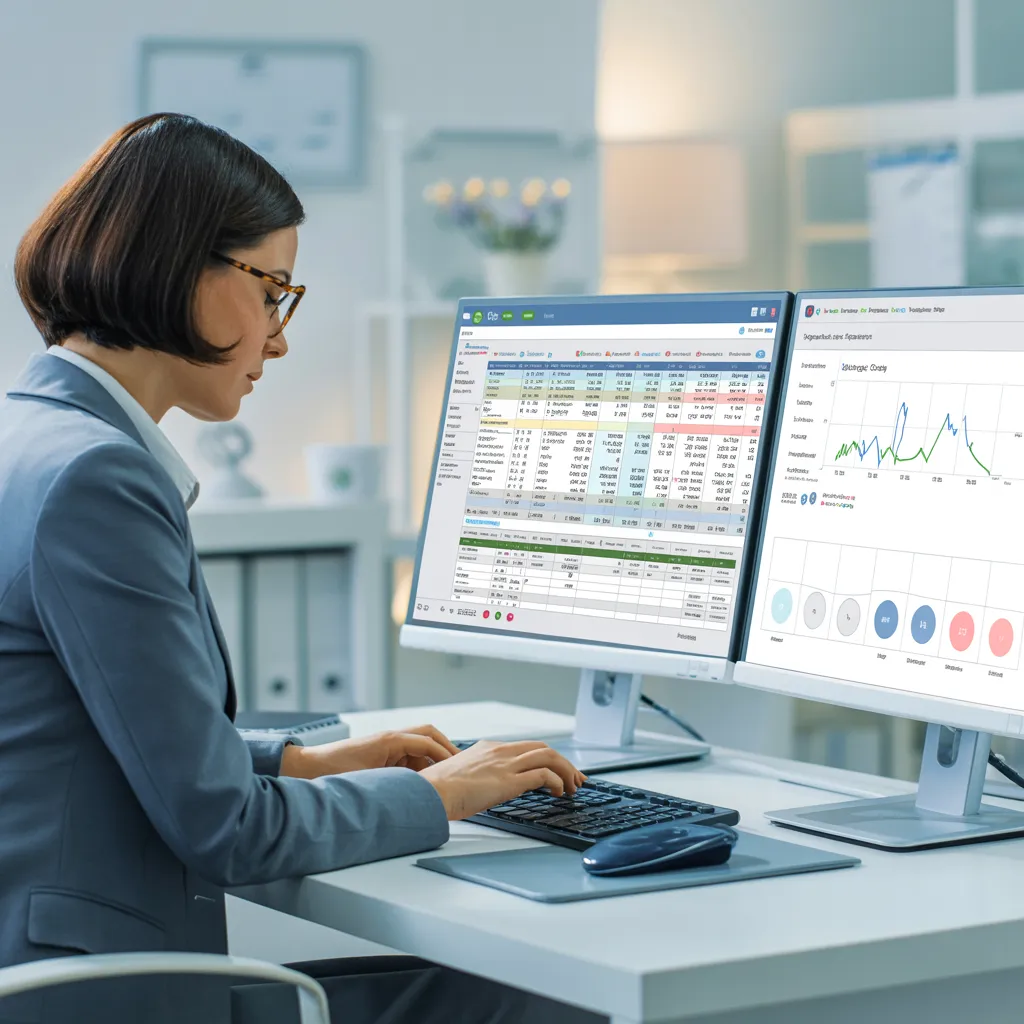
Accounting Software has established itself as a vital resource for small businesses, as it optimizes financial management and boosts operational efficiency. By providing a user-friendly interface, it enables business owners to manage invoicing, expense tracking, and payroll effortlessly. The software streamlines labor-intensive tasks, decreasing the chances of errors and enabling business owners to concentrate on growth-oriented strategies.
Moreover, Accounting Software offers comprehensive reporting features that provide visibility into fiscal performance, supporting knowledgeable decision-making. Small enterprise leaders can easily evaluate liquidity, earnings margins, and other vital performance factors, helping them to navigate evolving market dynamics. Connectivity features with third-party platforms additionally improve its functionality, supporting seamless data management across applications. As a cloud-based solution, Accounting Software ensures that fiscal information is accessible anytime, anywhere, fostering collaboration among team members. Fundamentally, Accounting Software is invaluable for small companies working toward streamlined processes and strategic financial control.
Setting Up Your Accounting Software Account the Right Way
Establishing a Accounting Software account properly is essential for optimizing its benefits. Initially, a new user should select the appropriate version of Accounting Software that aligns with their business needs, whether it be Desktop or Online. Following the selection of the right version, the next step involves creating a new account by entering essential details such as the address, business name, and industry type. This data helps Accounting Software customize its capabilities to the unique requirements of the business.
Once the account is established, users should set up their chart of accounts, categorizing income, expenses, assets, and liabilities based on their financial structure. Following this, connecting bank accounts and credit cards allows for seamless transaction tracking. Lastly, customizing preferences, such as invoice templates and sales tax, guarantees that the account corresponds to the business's operational standards. By diligently following these steps, users can create a solid foundation for successful bookkeeping with Accounting Software.
Streamlining Invoicing With Accounting Software Tools
Invoicing is frequently a lengthy and demanding task for businesses, but Accounting Software provides solutions to streamline the process. By automating invoice generation and customizing templates, businesses can boost efficiency and copyright a professional image. This approach not only saves time but also helps guarantee consistency in billing practices.
Automating Invoice Generation
Optimizing the invoicing process can greatly improve a company's productivity and financial performance. Using Accounting Software to automate invoice generation allows businesses to save time and reduce errors. By establishing recurring invoices for frequent clients, companies can secure timely billing without manual effort. Accounting Software also empowers users to create and schedule invoices, simplifying the payment collection process. The software can seamlessly calculate taxes and discounts, doing away with tedious calculations. Furthermore, automated reminders can be dispatched to clients, boosting the probability of prompt payments. This feature not only minimizes administrative burdens but also fosters better cash flow management. Ultimately, automating invoice generation allows business owners to concentrate on growth rather than repetitive tasks.
Personalizing Invoice Templates
Tailoring invoice templates in Accounting Software allows businesses to develop customized billing experiences that represent their brand identity. By utilizing Accounting Software' user-friendly design tools, users can adjust elements such as logos, colors, and fonts to maintain consistency with their overall branding. This tailoring not only improves the professional appearance of invoices but also fosters trust and recognition among clients. Furthermore, businesses can adjust invoice fields to incorporate specific information pertaining to their services, such as item descriptions or payment terms. Accounting Software also enables users to maintain multiple templates for various clients or services, streamlining the invoicing process. Ultimately, tailored invoice templates in Accounting Software significantly enhance the effectiveness and efficiency of billing, contributing to a more seamless financial workflow.
Organizing Your Expenses With Accounting Software Efficiency
Effective expense management in Accounting Software encompasses organizing expense categories and making use of receipt capture tools. By organizing expenses correctly, users can gain clearer insights into their financial health. Moreover, utilizing receipt scanning streamlines the process, minimizing manual data entry and enhancing accuracy.
Structuring Expense Categories
Moreover, subcategories can help refine tracking even more, giving businesses the ability to oversee particular expenses in greater detail. Consistently revisiting and refreshing these categories ensures they stay applicable as the business grows. Through keeping well-structured expense categories, small businesses can enhance the precision of financial statements and reach well-informed decisions that promote lasting growth and stability. Proper categorization eventually results in improved financial well-being and transparency in business operations.
Leveraging Receipt Capture
Simplifying expense tracking is made considerably more efficient with the utilization of receipt capture in Accounting Software. This functionality enables small business owners to easily record and arrange their receipts, decreasing the likelihood of missing paperwork. Individuals can conveniently snap an image of a receipt using the Accounting Software mobile app, which automatically extracts key data such as the date, vendor name, and total amount. The extracted data is then sorted and matched with existing entries, ensuring accuracy and saving valuable time. By leveraging receipt capture, businesses can establish stronger financial visibility and ease tax management. Moreover, this capability improves conformance with record-keeping obligations, providing peace of mind during audits. In summary, integrating receipt capture into routine workflows significantly improves expense management efficiency.
Using Financial Reports for Smart Decision-Making
Leveraging the potential of financial reports can markedly enhance decision-making within a business. These reports, which include income statements, balance sheets, and liquidity assessments, provide essential insights into a organization's financial health. By regularly reviewing these documents, business owners can recognize patterns, assess profitability, and detect emerging challenges.
Financial statements also support strategic budgeting and financial forecasting, permitting the strategic distribution of resources. To illustrate, a comprehensive review of revenue streams can identify underperforming products or services, driving targeted marketing efforts or operational refinements. Additionally, understanding cash flow patterns assists in avoiding cash flow shortfalls, ensuring the business can meet its obligations.
In the end, utilizing financial reports enables small business owners to make informed, data-driven decisions, promoting growth, operational efficiency, and long-term sustainability. Through embedding these insights into their strategic planning, businesses can overcome obstacles and leverage opportunities with greater effectiveness.
Top 5 Accounting Software Mistakes Small Businesses Make
Understanding financial statements is a fundamental step for small enterprises looking to enhance their decision-making. However, many businesses experience pitfalls when working with Accounting Software. One common mistake is neglecting to reconcile accounts consistently, which can lead to inconsistencies in financial statements. Additionally, neglecting to categorize expenses properly can distort profit margins and misinform business owners about their financial standing.
Another prevalent issue is disregarding the importance of backups. Without regular data backups, businesses risk losing essential financial data. Many small businesses also overlook the importance of utilizing reports; failing to make use of these resources can obstruct effective planning. To conclude, poor familiarity with Accounting Software tools leads to inefficient workflows, resulting in time wastage and potential errors. By recognizing and addressing these mistakes, small businesses can enhance how they utilize Accounting Software, creating a foundation for stronger financial management and long-term success.
Accounting Software Learning Resources for Ongoing Support
What methods can small businesses use to consistently enhance their Accounting Software abilities? Accessing a variety of learning resources can be instrumental in enhancing bookkeeping proficiency. Accounting Software provides formal training courses and certification pathways intended to help users achieve software proficiency. These courses cover essential features and advanced functionalities, catering to different skill levels.
Additionally, small businesses can leverage web-based platforms, such as LinkedIn Learning and Udemy, which deliver video tutorials and expert-led classes. Participating in online community forums, like the Intuit Community, empowers users to exchange experiences and solutions, encouraging a collaborative and engaging learning environment.
In addition, nearby workshops and digital webinars often provide direct training, strengthening hands-on knowledge. Signing up for Accounting Software blogs and email newsletters can keep businesses updated on emerging features and industry learn here best practices. By making use of these extensive resources, small businesses can ensure sustained support and ongoing advancement in their Accounting Software accounting abilities.
Popular Questions We Receive
Am I Able to Use Accounting Software for More Than One Business?
Absolutely, Accounting Software is suitable for more than one business. Users can create individual company files for each business, enabling them to manage finances, track transactions, and generate reports separately, maintaining organized bookkeeping across various ventures.
How Often Should I Reconcile My Accounts in Accounting Software?
Monthly reconciliation of accounts in Accounting Software is essential to guarantee accuracy. Routine reconciliation makes it easier to catch discrepancies promptly, upholding financial integrity and offering a comprehensive view of the business's financial standing for informed decision-making.
What Are the E-Commerce Integrations Offered by Accounting Software?
Accounting Software offers various integrations for online retail, including popular platforms like BigCommerce, Shopify, and WooCommerce. These powerful integrations simplify financial workflows, empowering users to seamlessly sync sales data and handle inventory management directly within Accounting Software.
Is Accounting Software a Good Fit for Non-Profit Organizations?
Accounting Software is certainly appropriate for non-profit organizations, offering features tailored for recording donations, administering grants, and creating financial reports. Its adaptable features assist nonprofits preserve transparency and secure compliance with legal and regulatory obligations successfully.
How Do I Handle Payroll in Accounting Software?
To process payroll in Accounting Software, it is essential to establish employee profiles, input necessary tax information, and process payroll using the software's payroll features. Regularly review reports to guarantee accuracy and compliance with regulations.